

The Origin Story
Pashione started with a frustration I couldn’t unsee.
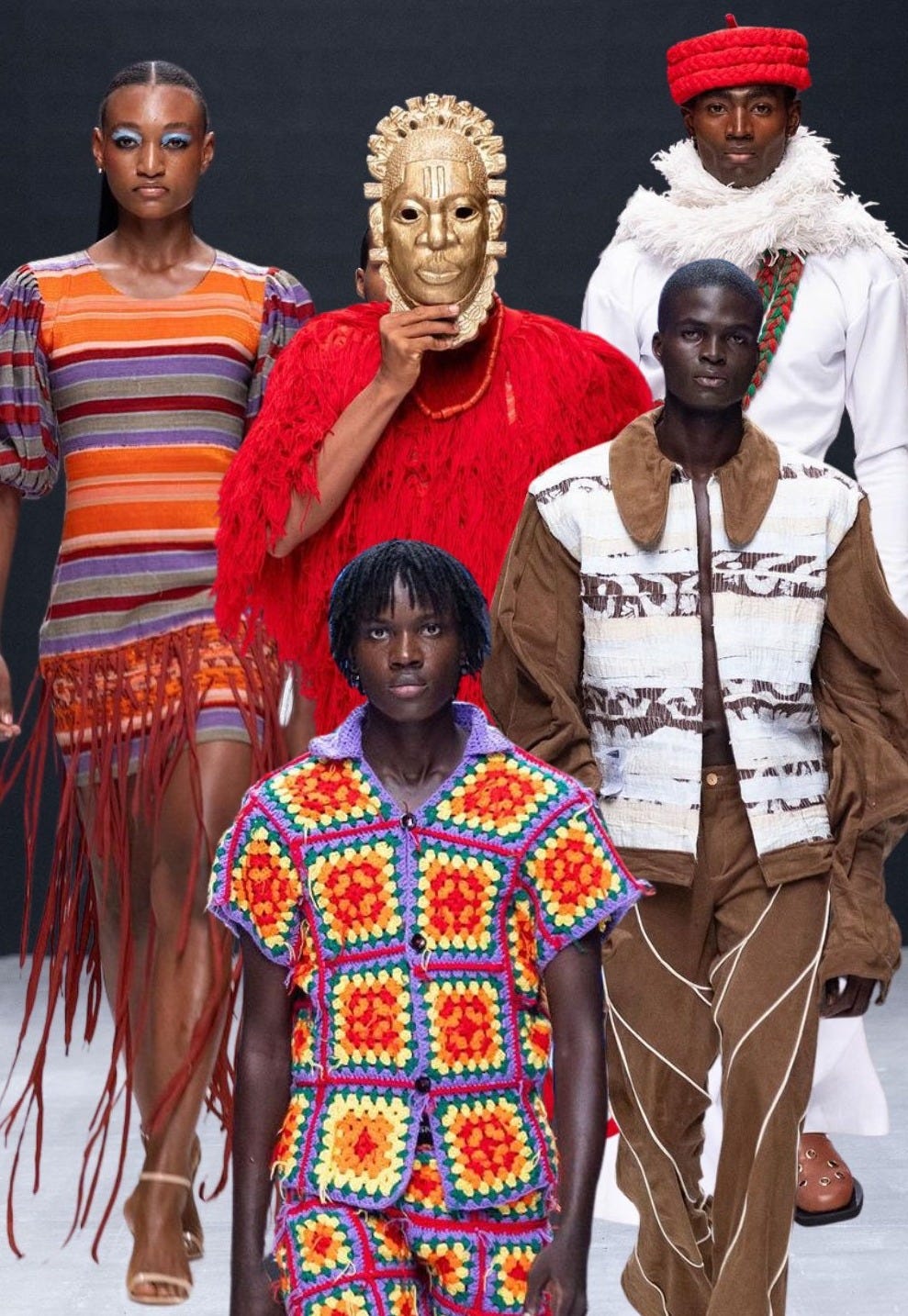
African fashion has never had a creativity problem.
It has always had an infrastructure problem.
Designers across the continent are visible—on Instagram, at pop-ups, on international runways—yet very few own their global distribution. Most depend on middlemen, informal logistics, one-off buyers, and unreliable payment systems.
What they need isn’t another marketplace.
They need export infrastructure, disguised as a marketplace.
That belief is what led to Pashione.
What We Built
Pashione is a B2B2C social commerce platform that enables African fashion brands to:
List and sell products globally.
Accept international payments.
Access logistics and fulfillment.
Build demand through social discovery.
Monetize attention, not just inventory.
This is not Shopify for Africa.
It’s a system designed for creators operating across borders, currencies, and cultures—without the safety nets Western brands take for granted.
Market Size (Africa + Diaspora)
The opportunity is significant:
TAM: ~$31B (African fashion & diaspora spend).
SAM: ~$8–10B (digitally reachable brands & buyers).
SOM (5-year): ~$500M+
But beyond the numbers, fashion is one of the few African industries where global demand already exists. Infrastructure is the missing link.
Why Investors Should Care
High-margin commissions.
Strong network effects.
Brand defensibility.
Cultural tailwinds.
Creator-led growth.
Pashione isn’t just about selling clothes.
It’s about turning African identity into a scalable export economy.
👉 Next: Why Africa’s biggest healthcare crisis isn’t hospitals—it’s prediction.